Mumbai real estate is seeing strong redevelopment activity and resilient homebuyer demand in 2026. Explore the latest property registration numbers, redevelopment trends and what buyers should check before purchasing a home.
By HomesPro Editorial Team5 min read
Matched from this article
Properties you may want to explore
Choose a topic to explore matching projects. When no projects match, explore available properties below or view the full listing.
Mumbai Real Estate Market Continues to Evolve in 2026
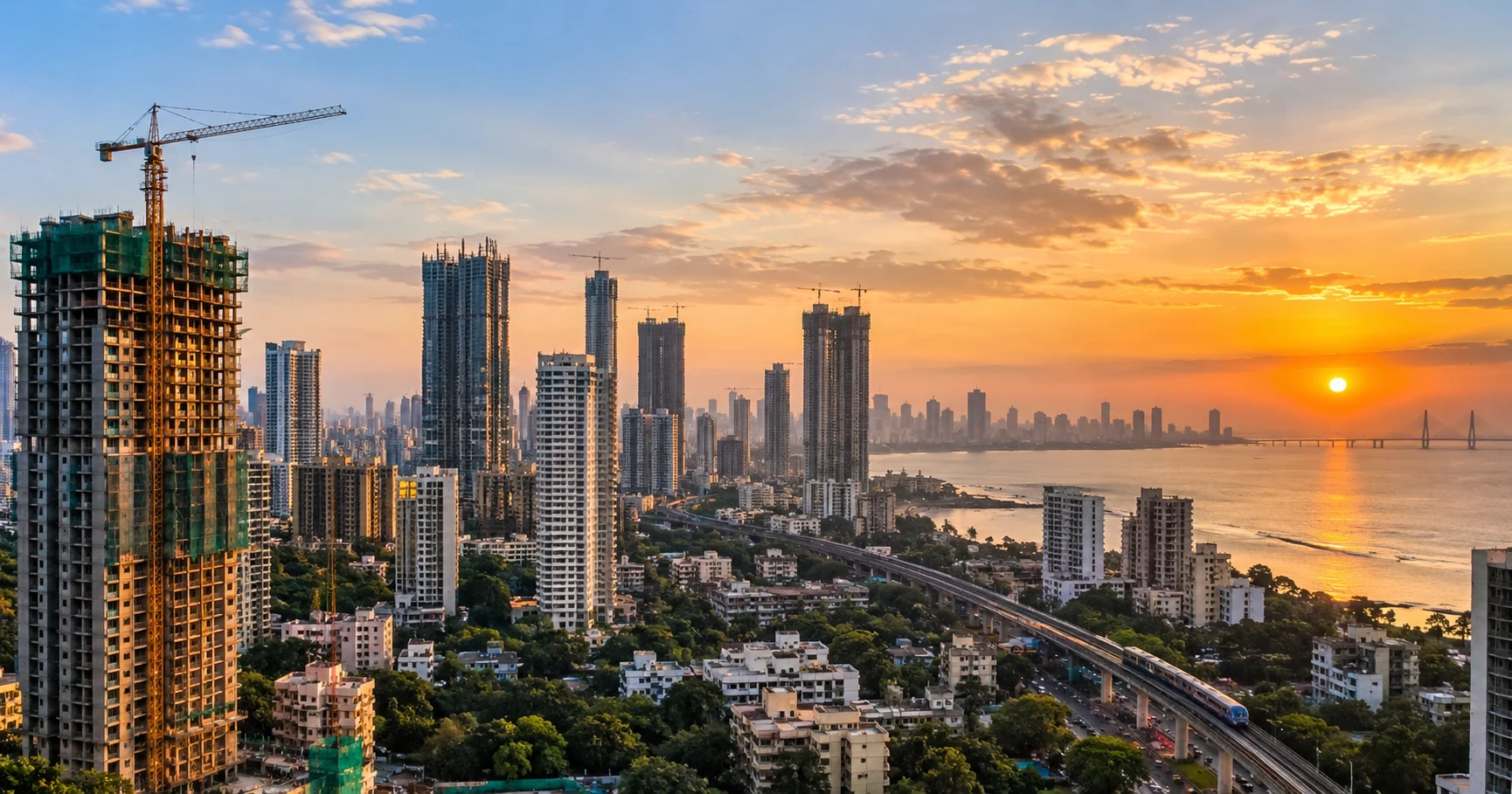
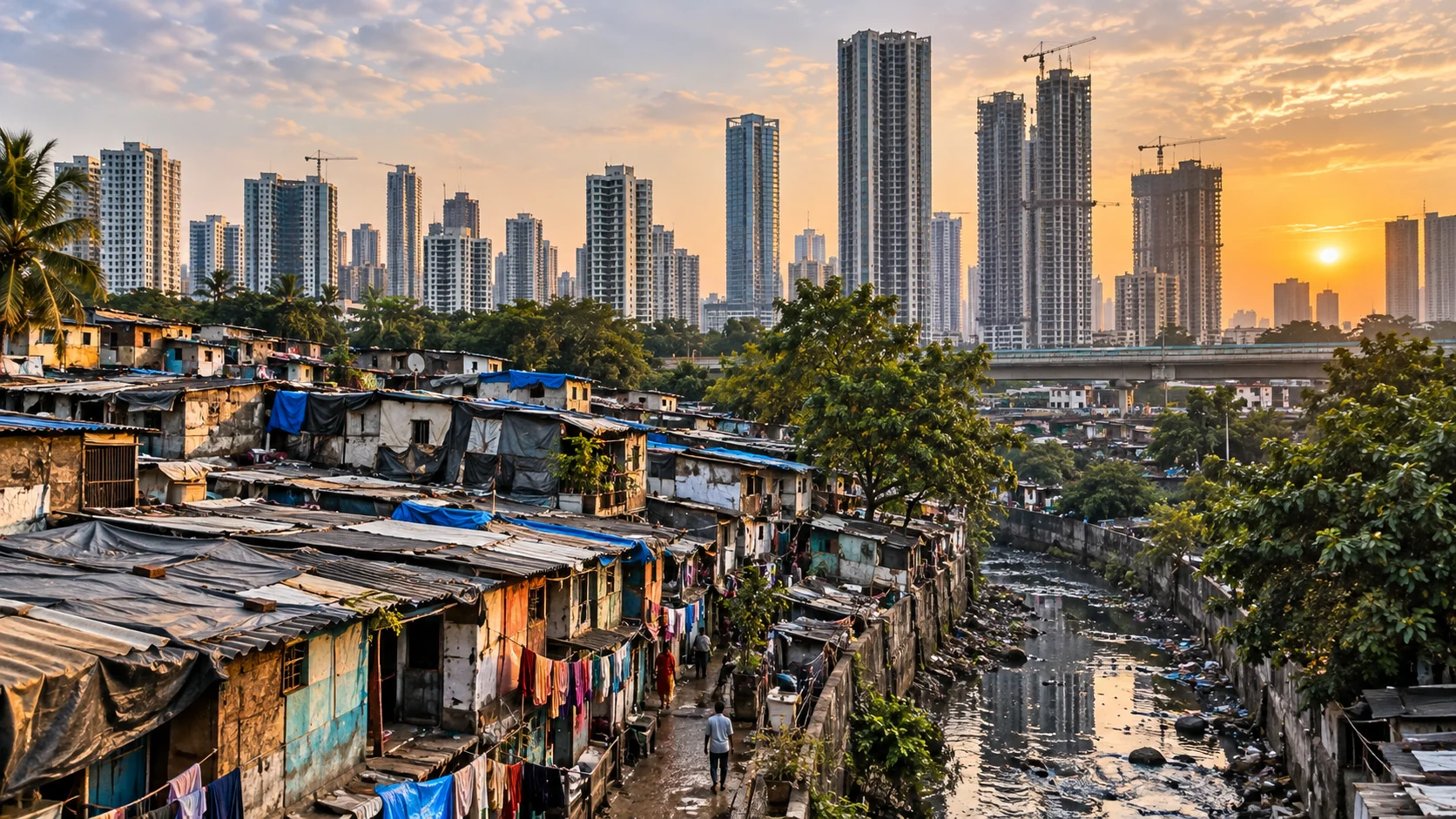
Mumbai's residential property market is going through an important transition in 2026. Buyer activity remains resilient, while redevelopment is becoming an increasingly significant source of new housing supply across the city. With limited vacant land available in many established neighbourhoods, rebuilding older housing societies is playing a larger role in Mumbai's next phase of residential development.
Recent market data also indicates continued transaction activity. Mumbai recorded around 12,503 property registrations in August 2026, representing an approximately 11% year-on-year increase compared with August 2025. Stamp duty collections for the month were around ₹1,123 crore.
Redevelopment Is Becoming a Major Mumbai Housing Trend
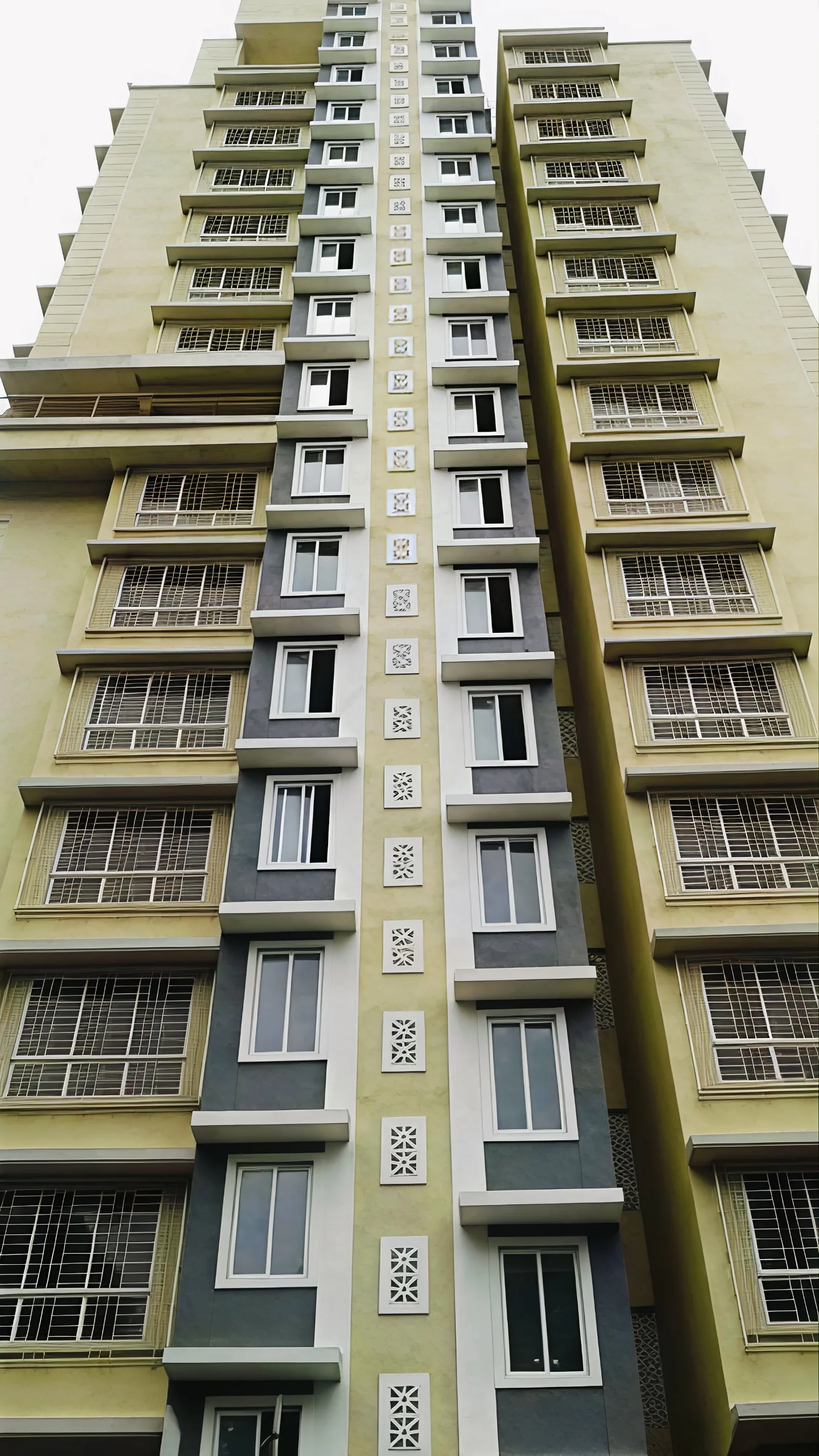
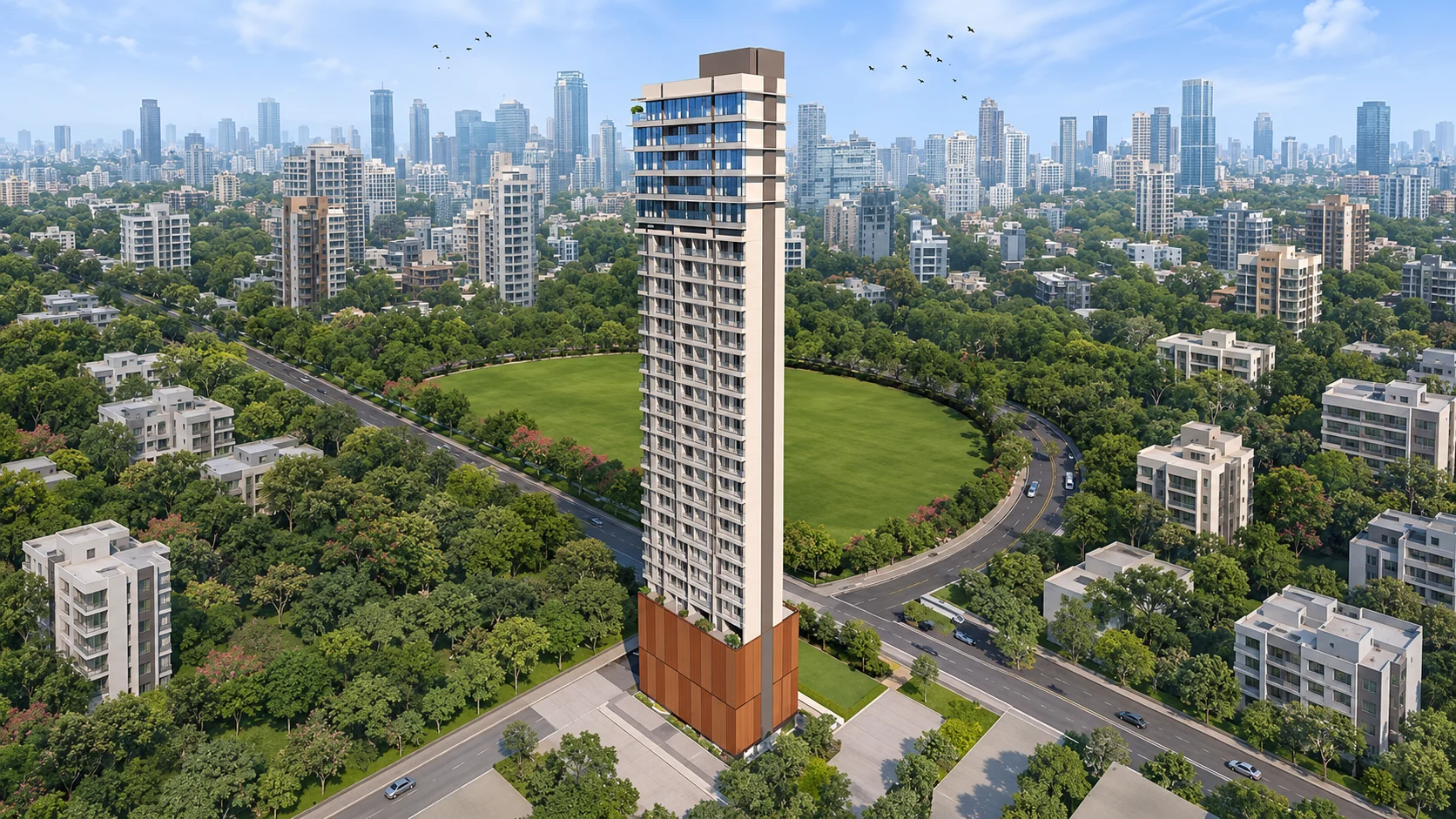
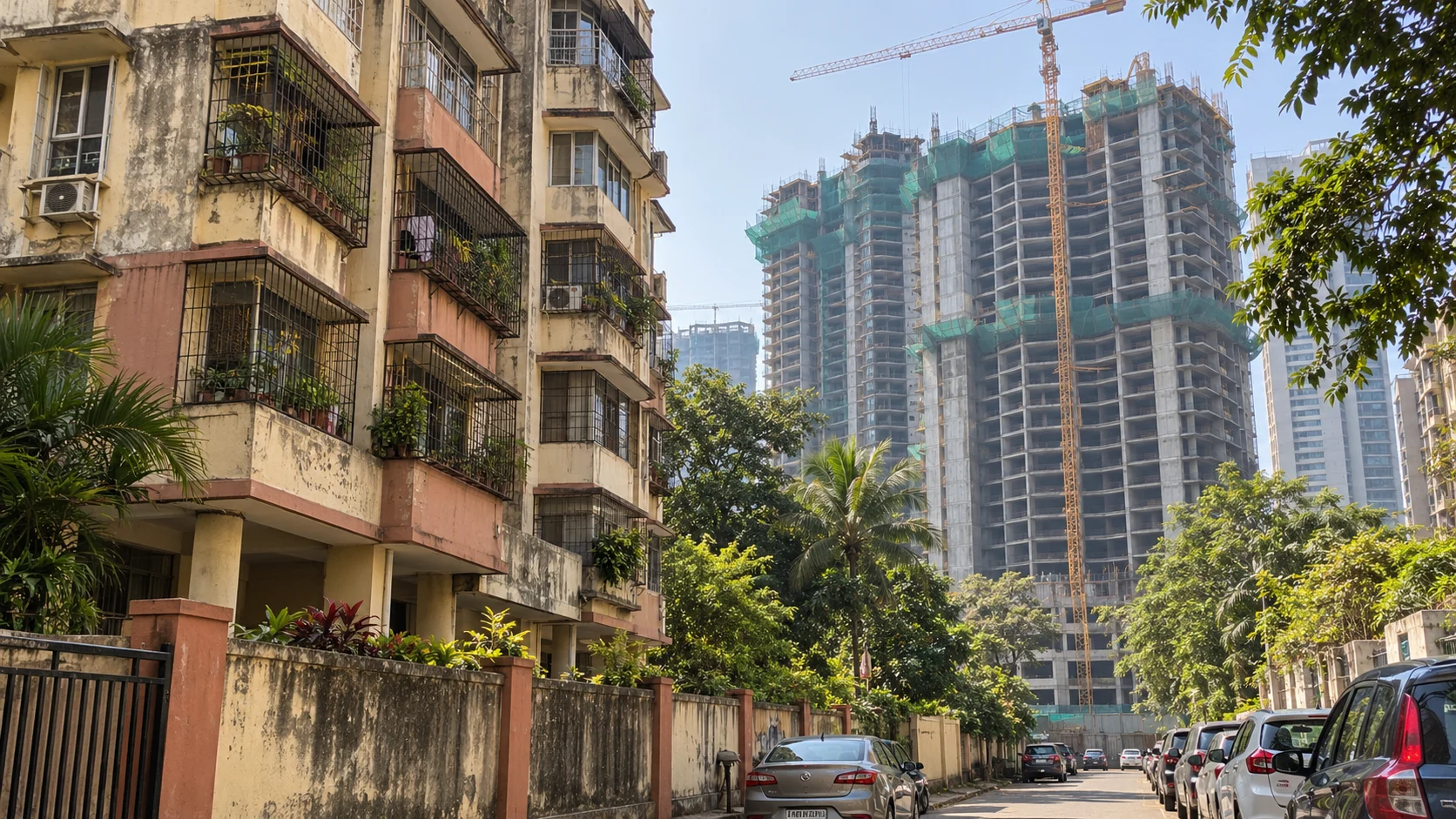
One of the biggest stories in Mumbai real estate in 2026 is the growing role of redevelopment. Instead of relying only on large undeveloped land parcels, developers are increasingly working with existing housing societies to replace ageing buildings with modern residential developments.
Industry research reported in September 2026 indicates that more than 1,000 redevelopment projects have been launched in Mumbai since 2020. These projects account for roughly 13% of the city's overall residential supply.
Redevelopment's Share of Home Sales Has Increased
The change is visible not only in project launches but also in sales. Redevelopment projects accounted for around 15% of Mumbai housing sales during 2025 and the first half of 2026, compared with roughly 6% during the 2016–2021 period.
More than 1,000 redevelopment projects have been launched in Mumbai since 2020
Redevelopment contributes roughly 13% of Mumbai's residential supply
Its share of housing sales reached around 15% during 2025 and H1 2026
Established neighbourhoods can add new inventory without requiring large vacant land parcels
Buyers are getting newer housing options within mature residential locations
Why Redevelopment Matters for Mumbai Homebuyers
For buyers, redevelopment can create opportunities to purchase newly constructed homes in locations where completely new development is otherwise difficult. Mature neighbourhoods often already have established roads, schools, hospitals, shopping areas and public transport connections.
However, a redevelopment project should be evaluated on its own fundamentals. Buyers should understand the project's approvals, MahaRERA registration, construction stage, developer track record, possession schedule and agreement terms rather than making a decision based only on the location.
Mumbai Property Registrations Remain Resilient
Transaction data provides another useful view of the market. Mumbai recorded approximately 12,503 registrations in August 2026, compared with about 11,230 in August 2025. That translates to an increase of roughly 11% year-on-year.
The month-on-month picture was different. Registrations were lower than the approximately 13,824 transactions recorded in July 2026. This is an important reminder that monthly property data can fluctuate, so buyers and investors should look at longer-term trends rather than interpreting a single month in isolation.
Swipe across to compare all columns →
Mumbai Market Indicator
August 2026
Comparison
Property registrations
Approx. 12,503
Up around 11% YoY
August 2025 registrations
Approx. 11,230
Previous-year comparison
July 2026 registrations
Approx. 13,824
August was lower MoM
Stamp duty collection
Approx. ₹1,123 crore
Up around 12% YoY
Over 1 Lakh Properties Registered in the First Eight Months of 2026
The broader 2026 numbers provide additional context. During January to August 2026, Mumbai recorded approximately 106,659 property registrations, compared with about 99,860 during the corresponding period of 2025.
Stamp duty collections during the first eight months of 2026 were approximately ₹9,355 crore, compared with around ₹8,853 crore during the same period a year earlier.
Mumbai's 2026 property market is being shaped by two parallel forces: continued transaction activity and the growing importance of redevelopment in established neighbourhoods.
Infrastructure Remains Important for Property Decisions
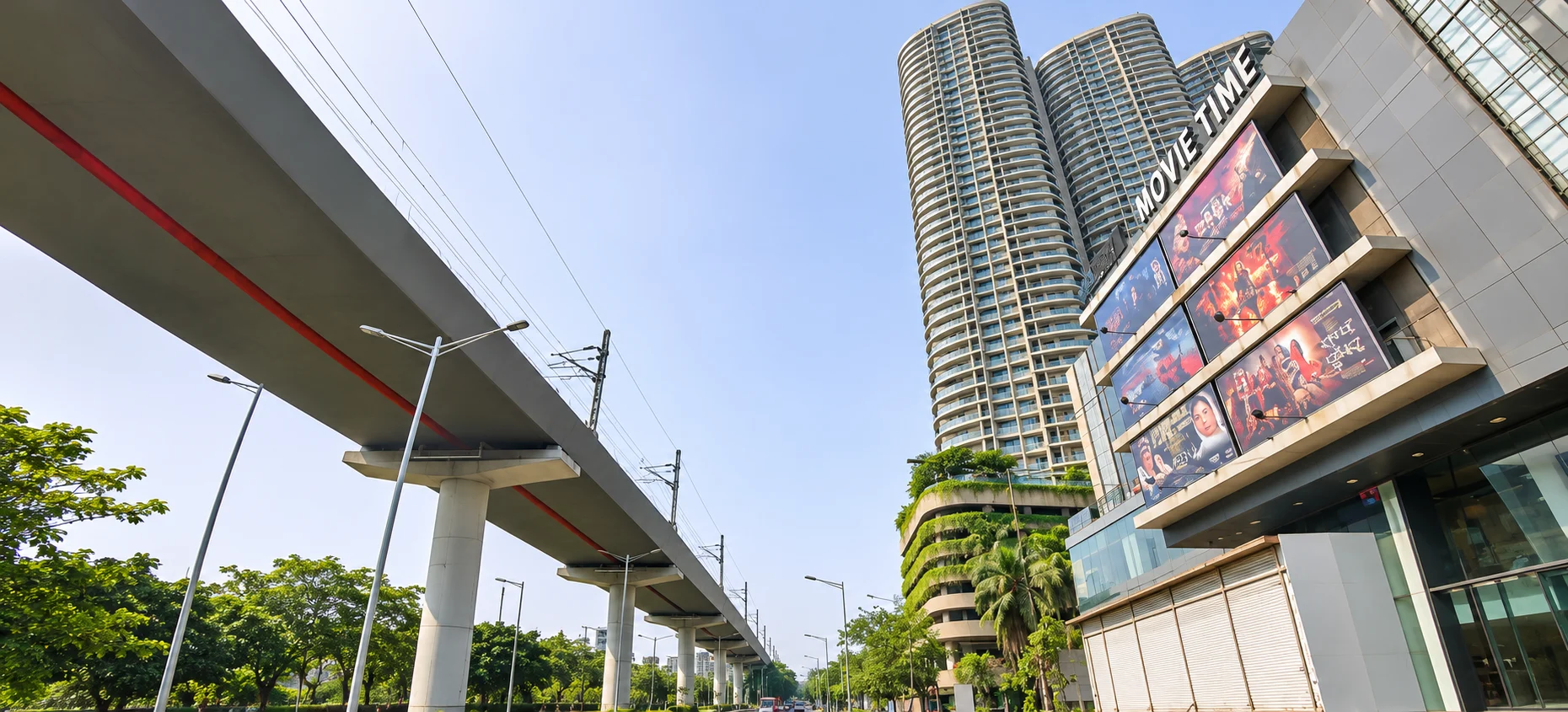
Connectivity continues to influence how buyers compare Mumbai and MMR locations. Metro expansion and other transport improvements can change commuting patterns and improve access between residential neighbourhoods and employment hubs.
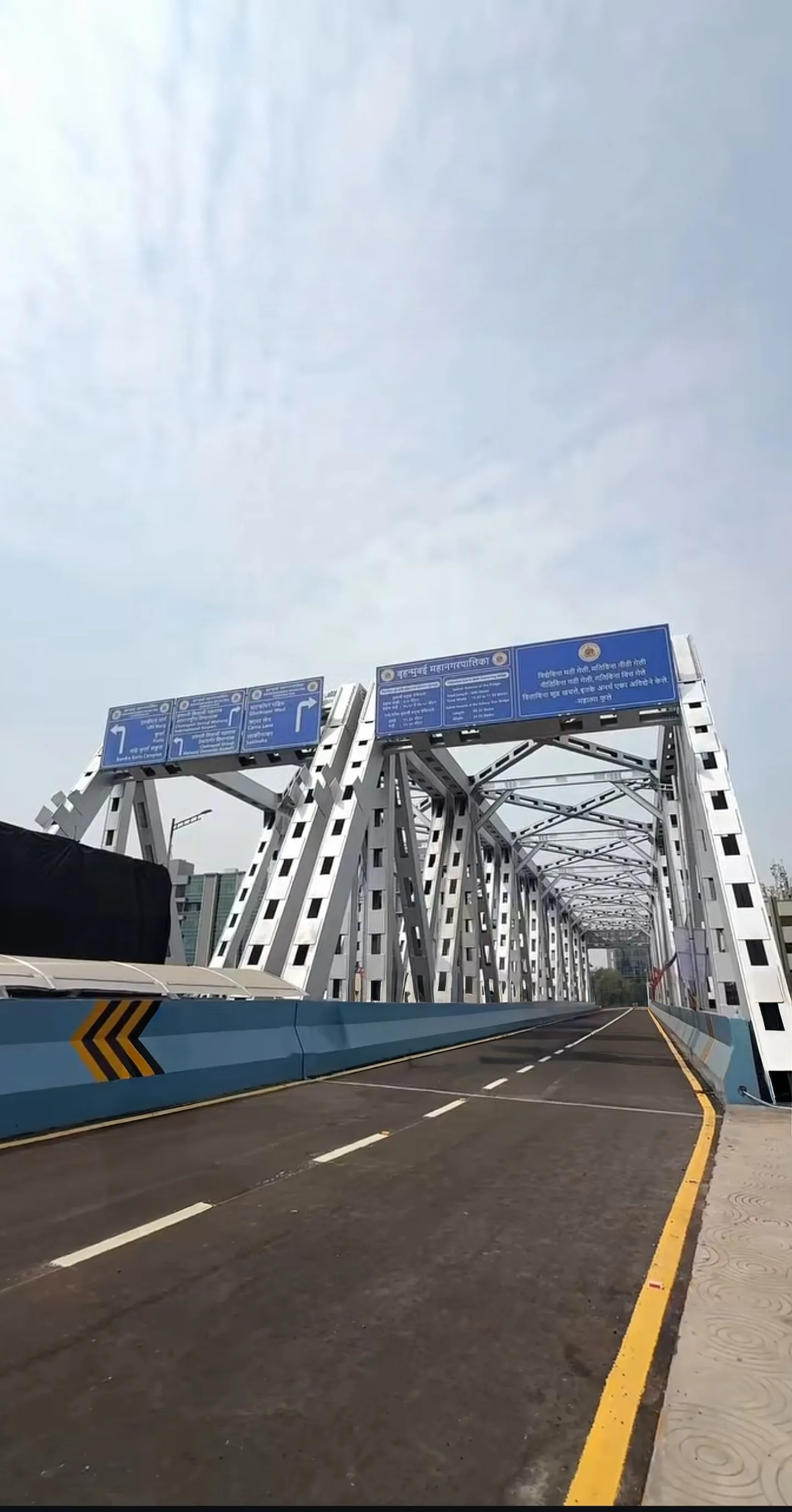
Metro Line 9 Phase 2, for example, moved closer to commissioning in September 2026, with integration software testing being carried out as part of the pre-commissioning process. Buyers considering locations influenced by upcoming infrastructure should distinguish between operational connectivity and projects that are still under testing or construction.
What Mumbai Homebuyers Should Check in 2026
Check the project's MahaRERA registration and official project details
Compare RERA carpet area instead of relying only on the BHK configuration
Understand the complete purchase cost beyond the advertised base price
Check construction progress and the declared possession date
Review the developer's completed and ongoing projects
Visit the neighbourhood during both peak and non-peak hours
Compare existing and upcoming metro or road connectivity
Calculate EMI affordability before finalising the property
Ask for a complete cost sheet before paying a booking amount
Verify parking, maintenance and other recurring charges
Is 2026 a Good Time to Buy Property in Mumbai?
There is no single answer that applies to every buyer. Mumbai's registration numbers indicate active demand, while redevelopment is creating new inventory across established parts of the city. At the same time, property prices, construction timelines and project quality can vary significantly between micro-markets.
An end-user may prioritise commute, possession certainty, schools and usable carpet area. An investor may place greater emphasis on entry price, rental demand, infrastructure improvements and the future supply pipeline. The right property therefore depends on the buyer's budget, timeline and purpose of purchase.
Mumbai Real Estate Outlook for the Rest of 2026
The latest indicators suggest that redevelopment, infrastructure improvements and demand for homes in established neighbourhoods will remain important themes to watch. Mumbai's land constraints make redevelopment particularly relevant, while registration data provides a useful measure of actual transaction activity.
For buyers, the key is to move beyond headlines and evaluate individual properties carefully. Location quality, RERA compliance, realistic possession timelines, developer execution and the total cost of ownership remain more useful decision factors than market momentum alone.
Looking for a Home in Mumbai?
Explore residential projects and compare locations, configurations, carpet areas and prices on HomesPro.